by holtsdav
Edit PDF text fields and add text and ink inside Obsidian, with automatic saving and recovery copies. Desktop beta.
PDF Editor
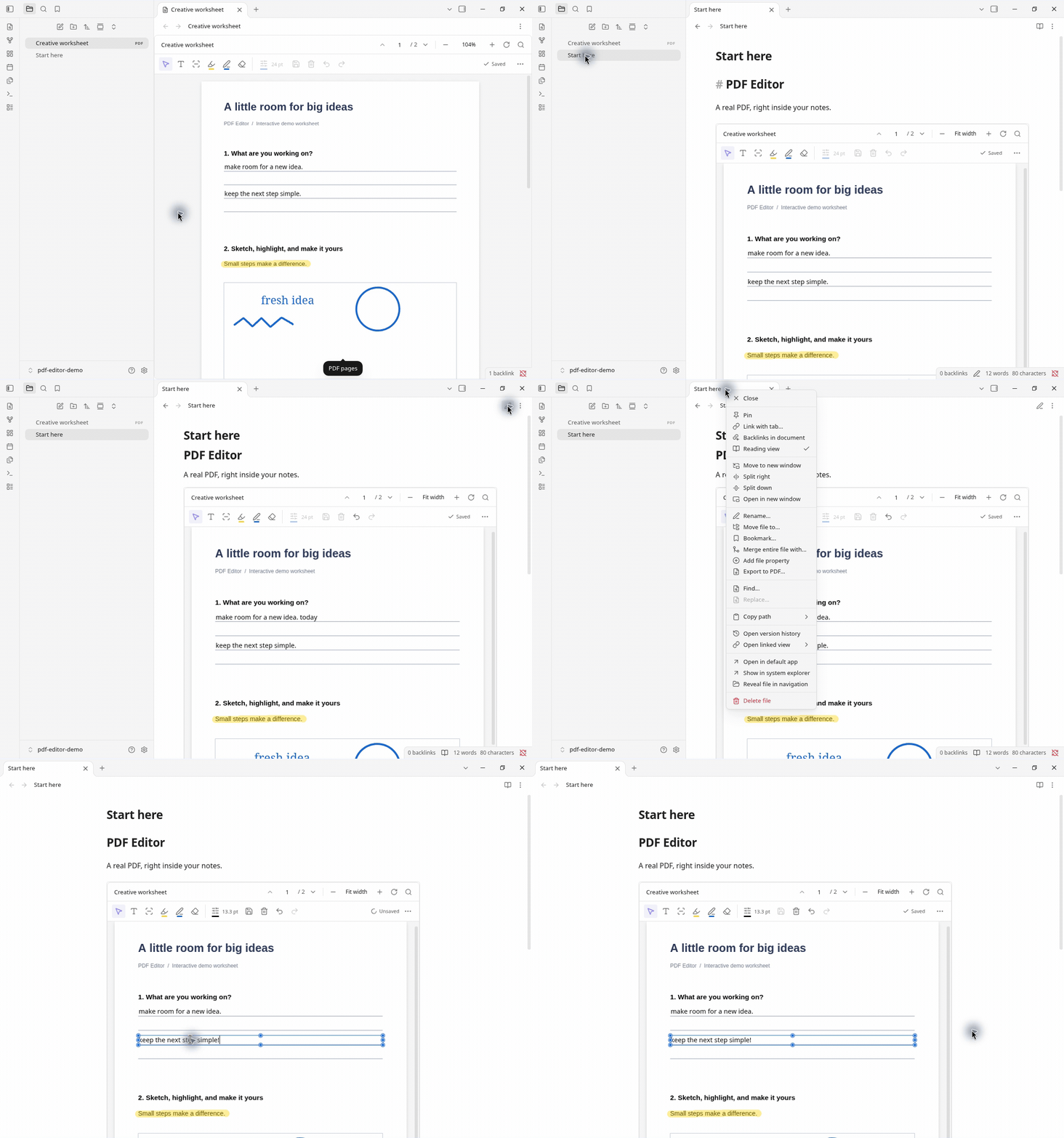
Write, fill answers, highlight and draw on PDFs without leaving Obsidian. Works in PDF tabs, notes and pop-out windows.
Write and fill answers
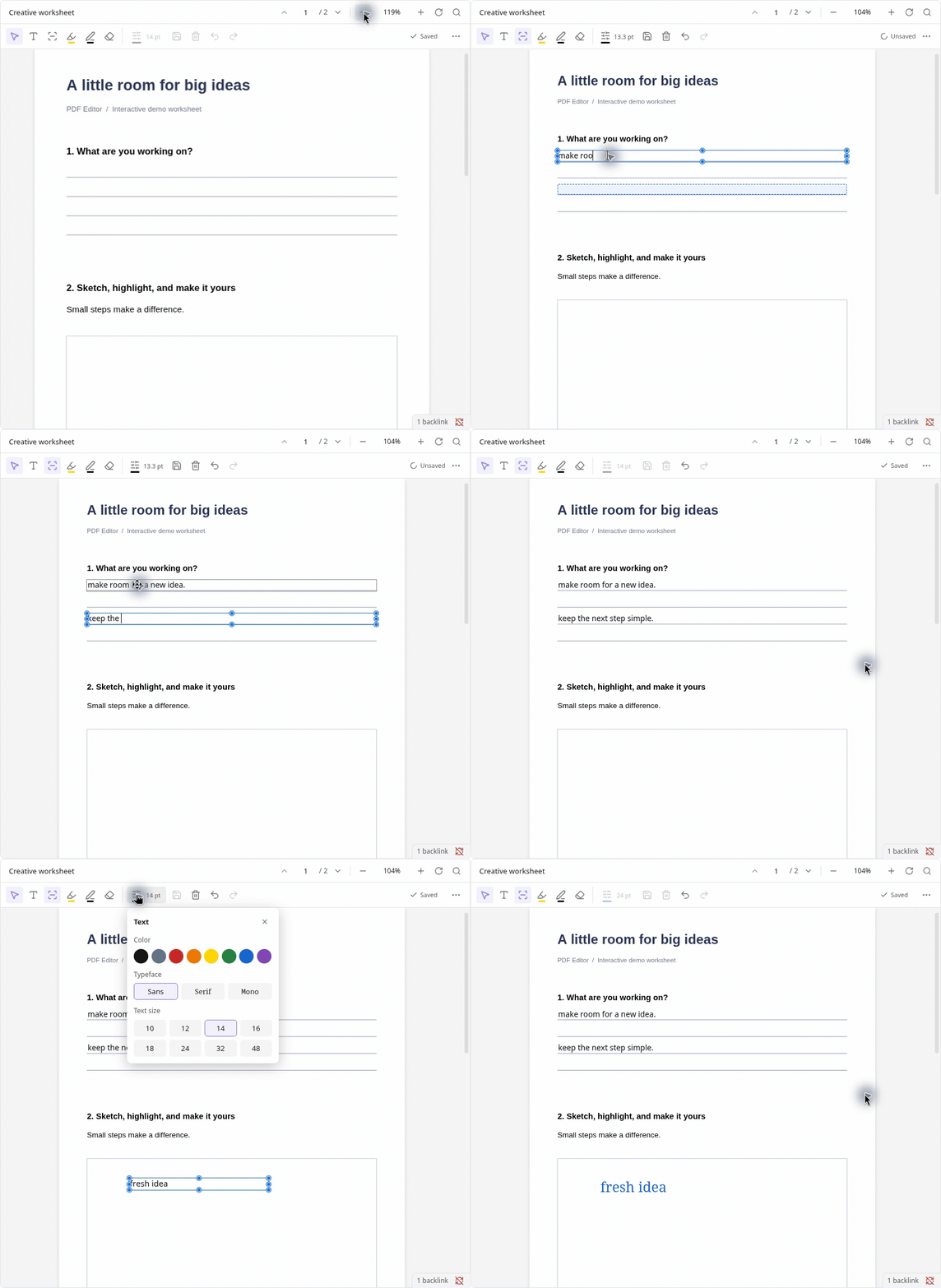
Existing editable form fields show their borders and backgrounds; click a field to type. Authored fields keep their geometry, alignment, length limits and multiline options. Opening a PDF or clearing an existing answer retains its blank fields. Only newly placed, unsaved empty boxes disappear when abandoned. Read-only and unsupported form fields retain their original appearances.
Text widgets omitted from the PDF's form tree are recovered when their identities and hierarchy are unambiguous. They become editable without changing the file on open; the recovered form tree is saved with the next edit. Ambiguous names and malformed field hierarchies are rejected before editing.
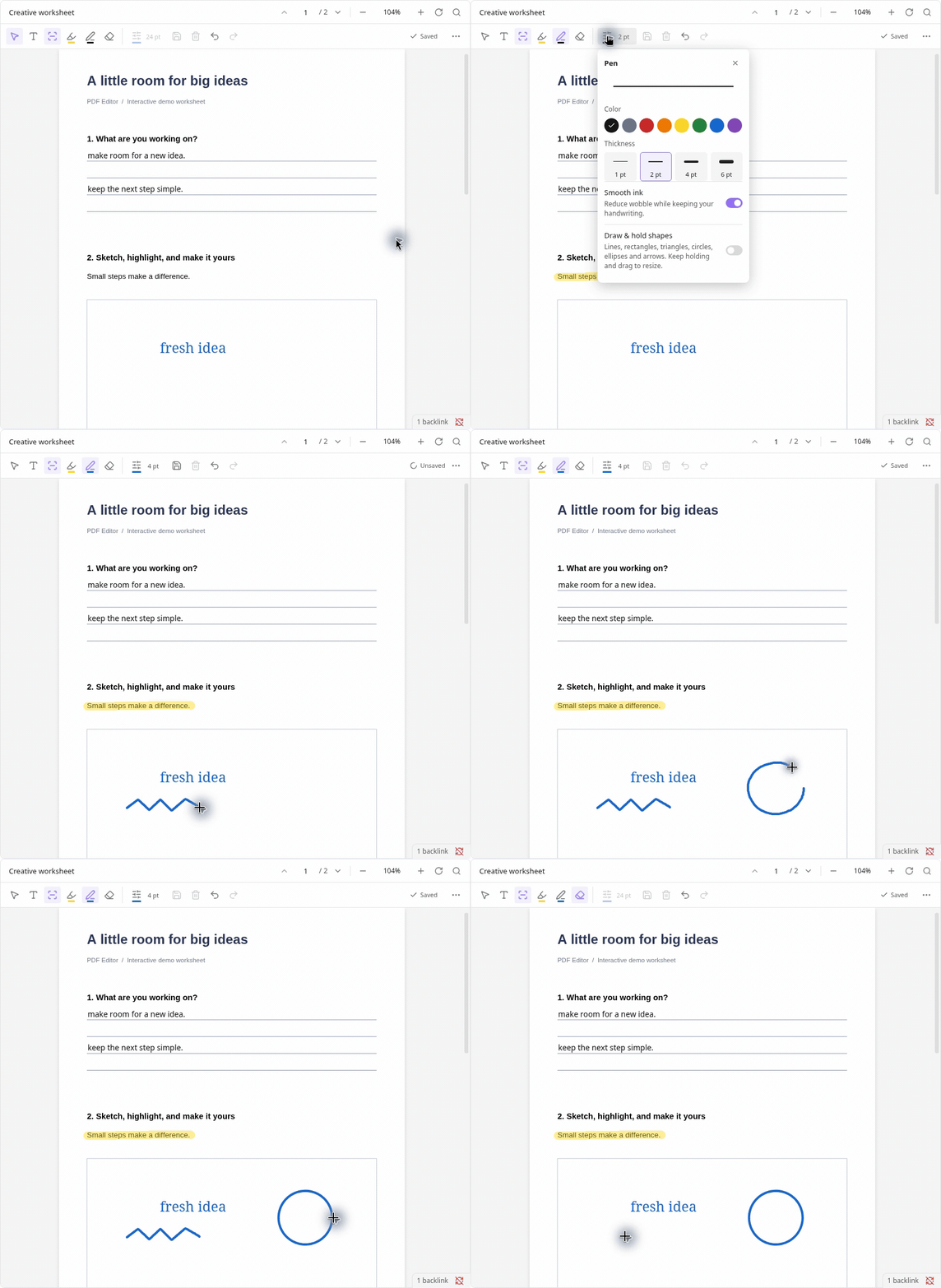
Draw and highlight
Edit inside your notes
Get started
Open the Community plugin listing and choose Add to Obsidian.
For manual installation, copy main.js, manifest.json and styles.css from the latest release into .obsidian/plugins/pdf-editor/, then enable PDF Editor.
Desktop only, Obsidian 1.13.7+. Tested on Linux 1.14.4, with a basic check on 1.13.7; macOS 1.14.4 is user-confirmed. Windows and mobile are unverified.
Beta: keep backups and edit each PDF in only one app or device at a time. Wait for Saved and sync to finish before switching. Existing printed text cannot be rewritten; not every PDF is supported.
The PDF picker enumerates vault file names to find PDFs. Copy and paste use the system clipboard when invoked in the active PDF editor; pasted text can become PDF content. PDF Editor does not poll the clipboard in the background.
For plugin developers
Search results and similarity scores are powered by semantic analysis of your plugin's README. If your plugin isn't appearing for searches you'd expect, try updating your README to clearly describe your plugin's purpose, features, and use cases.