Graph Edge Notes
pendingby zane
Display and edit short relationship labels on graph edges.
Graph Edge Notes
Graph Edge Notes is an Obsidian plugin that overlays short relationship labels on graph-view edges.
Demo
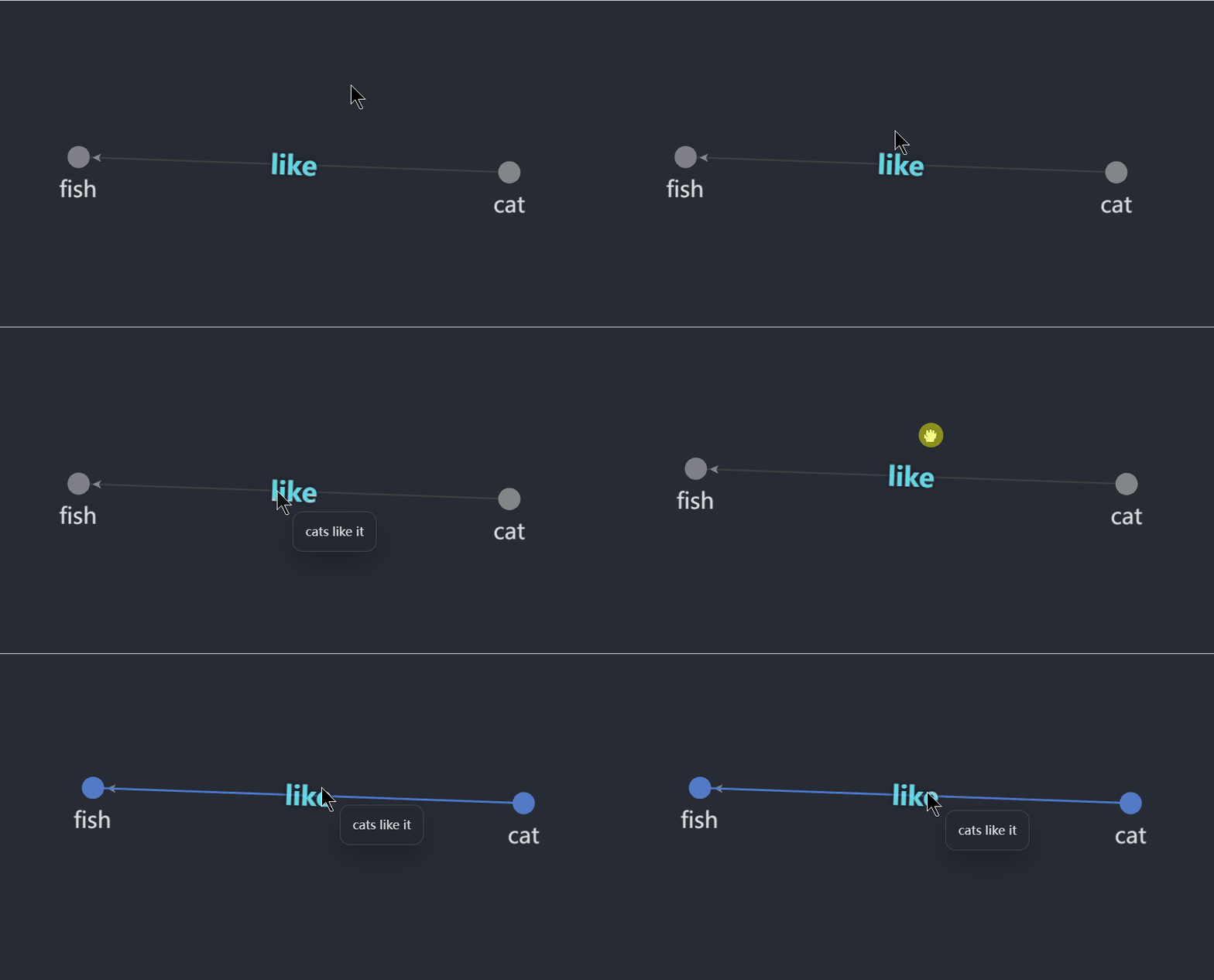
Graph view
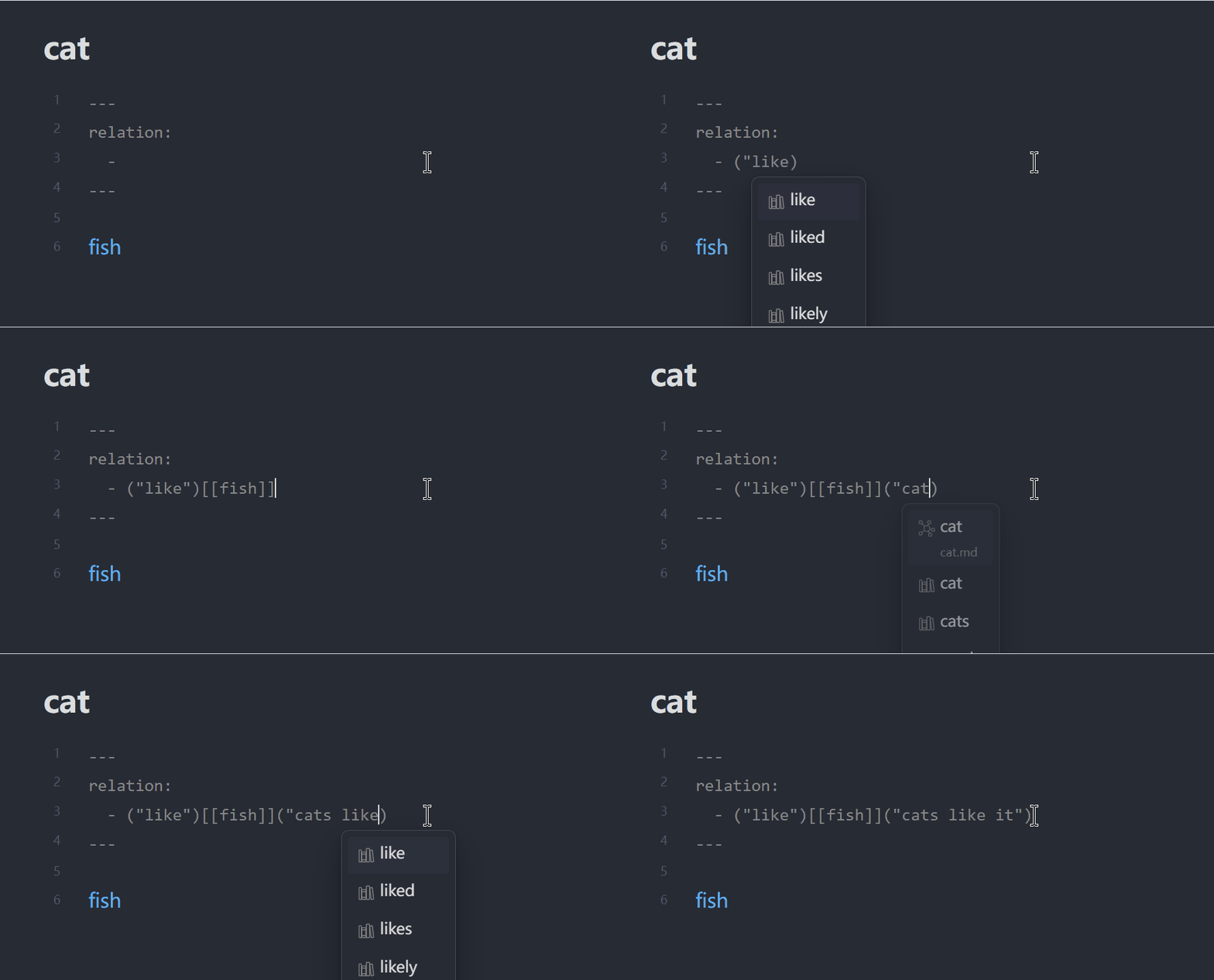
Frontmatter setup
What it does
- Reads note-to-note relations from frontmatter.
- Renders each relation label on the matching graph edge.
- Shows optional detail text when you hover a label.
- Adds a command to create a new relation for the current note.
- Supports a plugin-level default label color.
- Includes an optional debug panel that shows recent plugin actions and the current graph binding state.
- When debug mode is enabled, the plugin also writes recent debug events to
.obsidian/plugins/graph-edge-notes/debug.logand removes that file again when debug mode is turned off.
Frontmatter format
relations:
  - '("limited-open")[[Open]]("finite-population open model")'
  - '("gossip")[[Communication]]'
The command palette editor currently saves relations in the string form above.
Object-style YAML is also accepted when reading existing notes:
relation:
  - target: "[[Open]]"
    label: "limited-open"
    detail: "finite-population open model"
label is what appears on the edge. detail is optional and appears in the hover tooltip.
The frontmatter property name is configurable in plugin settings. In the examples above, relations and relation are both valid if your plugin setting is configured to match that property name.
Important limitation
The plugin annotates edges that already exist in Obsidian's graph. It does not create new graph edges by itself. In practice, this means the two notes still need to be linked somewhere in the vault for an edge to appear.
Rendered labels show relation detail on hover. Edit relations through the command palette command Add graph relation to current note or by editing frontmatter directly.
Development
npm install
npm run build
To test in a vault, copy main.js, manifest.json, and styles.css into:
<Vault>/.obsidian/plugins/graph-edge-notes/
Then reload Obsidian and enable Graph Edge Notes under Settings -> Community plugins.
For plugin developers
Search results and similarity scores are powered by semantic analysis of your plugin's README. If your plugin isn't appearing for searches you'd expect, try updating your README to clearly describe your plugin's purpose, features, and use cases.