Tag to Page
approvedby AQiong 阿琼
Click #tag to navigate to [[tag]] page like Logseq - This plugin has not been manually reviewed by Obsidian staff.
Obsdian Tag to Page — 标签转页面
让 Obsidian 中的
#标签像 Logseq 一样工作:点击标签,直接打开对应的[[标签]]页面。
Obsdian Tag to Page 会把标签点击从默认的标签搜索行为改为页面导航。目标页面不存在时,它还可以自动创建对应的 Markdown 笔记。
🎬 演示动画
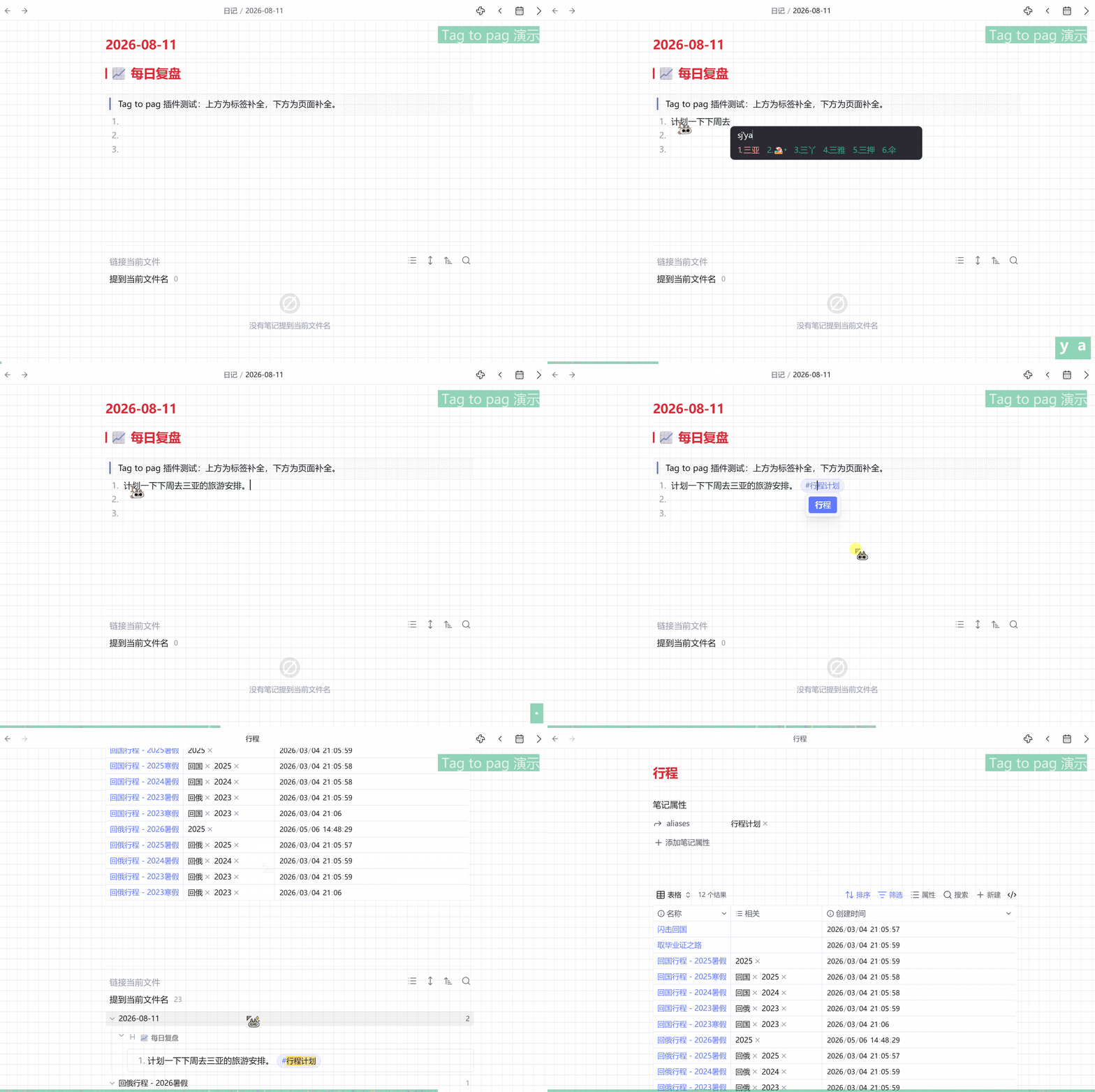
✨ 主要功能
- 点击
#tag打开页面 — 支持阅读视图和实时预览。 - 自动创建页面 — 目标笔记不存在时创建空白 Markdown 文件。
- 解析别名 — 查找目标时检查 frontmatter 中的
alias和aliases。 - 支持嵌套标签 —
#parent/child会按需创建parent/child.md及父目录。 - 在新窗格打开 — Windows/Linux 按住
Ctrl,macOS 按住Cmd后点击。 - 可选页面补全 — 输入
#时,从笔记名和别名中提供补全建议。 - 标签反链归类 — 解析到当前页面的
#标签会显示在反链的“链接当前文件”列表中,并从“提到当前文件名”中移除对应标签片段。 - 双语和响应式设置 — 支持中文/English,并适配窄窗口和移动端。
一句话总结 — 把标签从“搜索入口”变成“页面入口”,更接近 Logseq 的笔记流。
🔧 工作原理
点击标签后,插件会:
- 在 DOM 捕获阶段拦截
.tag和.cm-hashtag元素的点击。 - 使用
metadataCache.getFirstLinkpathDest()查找同名页面。 - 如果没有找到,再检查 frontmatter 中的
alias和aliases。 - 如果仍然没有匹配页面,创建对应的 Markdown 文件并打开它。
开启页面补全后,插件使用 CodeMirror 6 autocomplete,从 Markdown 笔记名和别名中生成建议。
⚙️ 设置
| 设置项 | 说明 |
|---|---|
| 语言 | 在中文和 English 之间切换设置界面。 |
| 在反链中显示标签 | 控制相关 #标签 是否显示在“链接当前文件”列表中。 |
输入 # 时显示页面补全 | 根据笔记名和别名提供补全建议,可能增加一些扫描开销。 |
📦 安装
通过 BRAT 安装(推荐)
- 安装 Obsidian BRAT 插件。
- 在 BRAT 设置中添加
agarcabin/obsdian-tag-to-page。 - 在已安装的社区插件列表中启用 Tag to Page。
手动安装
从 Releases 下载 main.js、manifest.json 和 styles.css,复制到:
<你的库>/.obsidian/plugins/tag-to-page/
然后在 设置 → 社区插件 中启用 Tag to Page。
仓库名称是
obsdian-tag-to-page;为兼容已有安装,插件 ID 和安装目录仍保持为tag-to-page。
⚠️ 已知限制
- 开启
#页面补全后,会替换默认的[[页面补全提供器。 - 源码模式暂不支持标签点击跳转。
- 标签反链归类使用 Obsidian 当前版本的反链内部渲染结构;如果结构不可用,插件会跳过该功能,不影响标签点击跳转。
🛠️ 从源码构建
git clone https://github.com/agarcabin/obsdian-tag-to-page.git
cd obsdian-tag-to-page
npm install
npm run dev    # 监听模式
npm run build  # 正式构建
📄 许可证
Tag to Page 使用 MIT License 开源。
Obsdian Tag to Page — Tag to Page
Source: agarcabin/obsdian-tag-to-page · Releases
Make
#tagsbehave more like Logseq: click a tag to open its matching[[tag]]page.
Obsdian Tag to Page changes tag clicks from Obsidian's default tag-search behavior into page navigation. If the target page does not exist, it can create the Markdown note automatically.
✨ Features
- Open a page from
#tag— Works in Reading view and Live Preview. - Create missing pages — Create an empty Markdown note when no target exists.
- Resolve aliases — Check frontmatter
aliasandaliasesvalues when resolving a tag. - Support nested tags —
#parent/childcreatesparent/child.mdand its parent directory when needed. - Open in a new pane — Hold
Ctrlon Windows/Linux orCmdon macOS while clicking. - Optional page completion — Type
#to search note names and aliases for suggestions. - Classify tag backlinks —
#tagsthat resolve to the current page appear in the linked-backlinks list, and the matching tag ranges are removed from unlinked mentions. - Bilingual, responsive settings — Switch between Chinese and English in a layout that also works on narrow windows and mobile.
TL;DR — Turn tags from search triggers into page links for a more Logseq-like note flow.
🔧 How it works
When you click a tag, the plugin:
- Intercepts
.tagand.cm-hashtagclicks during the DOM capture phase. - Uses
metadataCache.getFirstLinkpathDest()to find a page with the matching name. - Checks frontmatter
aliasandaliasesvalues if the direct name is not found. - Creates and opens the Markdown page if no match exists.
When page completion is enabled, CodeMirror 6 autocomplete suggests Markdown note names and aliases.
⚙️ Settings
| Setting | Description |
|---|---|
| Language | Switch the settings UI between Chinese and English. |
| Show tags in backlinks | Control whether related #tags appear in the linked-backlinks list. |
Show page completion when typing # | Suggest matching note names and aliases; this may add some scanning overhead. |
📦 Install
Using BRAT (recommended)
- Install the Obsidian BRAT plugin.
- Add
agarcabin/obsdian-tag-to-pagein BRAT settings. - Enable Tag to Page in the list of installed community plugins.
Manual installation
Download main.js, manifest.json, and styles.css from the Releases page, then copy them into:
<your vault>/.obsidian/plugins/tag-to-page/
Enable Tag to Page under Settings → Community plugins.
The repository name is
obsdian-tag-to-page; the plugin ID and installation directory remaintag-to-pagefor compatibility with existing installations.
⚠️ Known limitations
- Enabling
#page completion replaces the default[[page completion provider. - Tag clicks are not supported in Source mode.
- Tag-backlink classification uses Obsidian's current internal backlink rendering structure; if it is unavailable, the plugin skips this feature without affecting tag-to-page navigation.
🛠️ Build from source
git clone https://github.com/agarcabin/obsdian-tag-to-page.git
cd obsdian-tag-to-page
npm install
npm run dev    # watch mode
npm run build  # production build
📄 License
Tag to Page is released under the MIT License.
For plugin developers
Search results and similarity scores are powered by semantic analysis of your plugin's README. If your plugin isn't appearing for searches you'd expect, try updating your README to clearly describe your plugin's purpose, features, and use cases.