Tier List
approvedby moxalehin
Visual ranking and organizing content into customizable tier lists.
Tier List
This plugin allows you to render nested lists as visual Tier Lists, providing an intuitive way to organize, rank, and display items using customizable tiers.
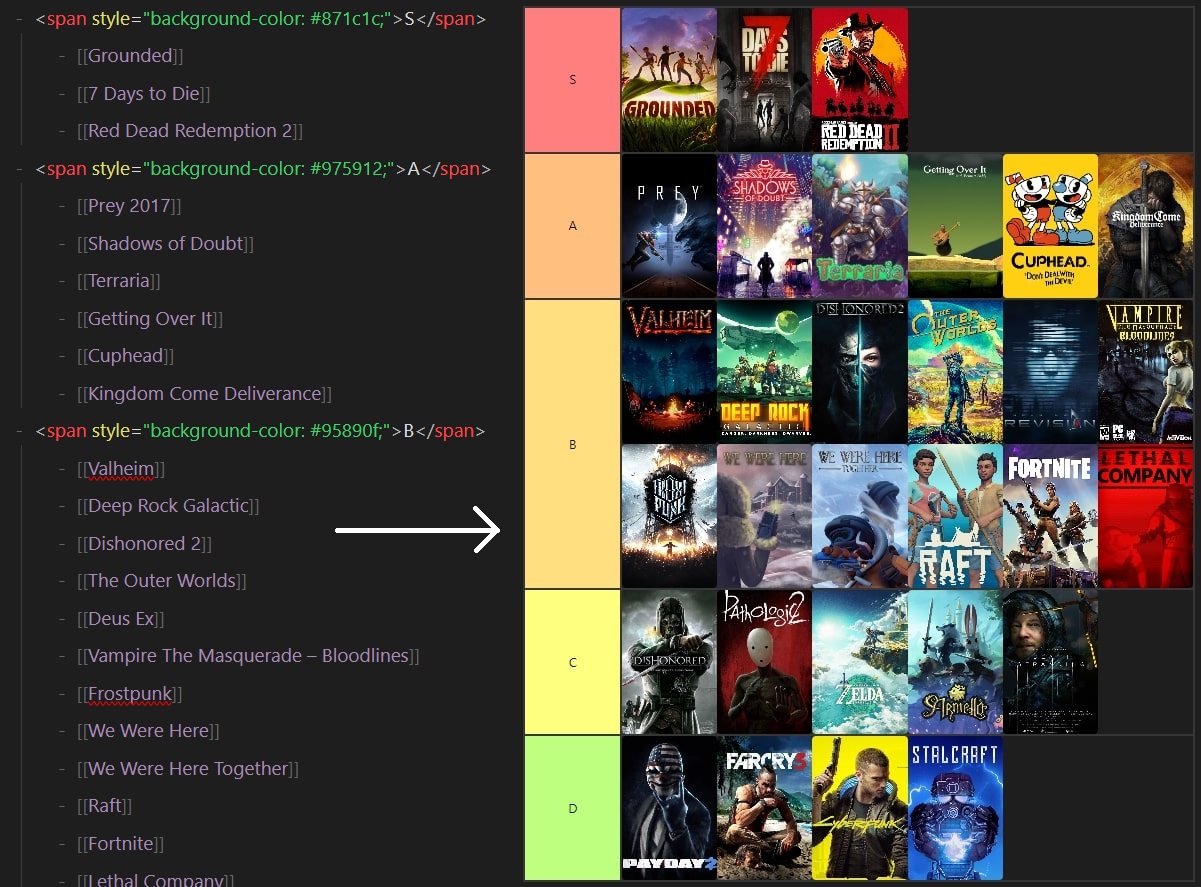
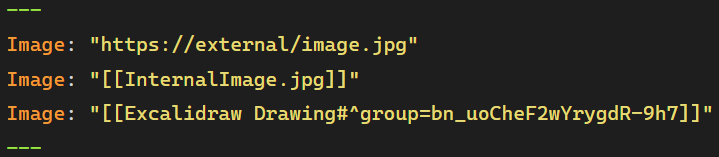
One of the core features of the plugin is the ability to render lists with both internal and external images, any markdown text, or covers linked via a file's frontmatter. You can specify an image for a file in the frontmatter using the Image key, which will serve as a visual cover for that file in the tier list.
Tier List Philosophy
Unlike tools like Dataview, where sorting often requires defining custom variables, the Tier List plugin enables manual sorting of list items. This is useful when, for instance, you want to rank movies by genre without assigning them specific numerical ratings. Instead, you can place each movie relative to others, making it easier to say one movie is better than another but worse than a third. The manual nature of this ranking gives more flexibility and avoids the complexity of absolute ratings.
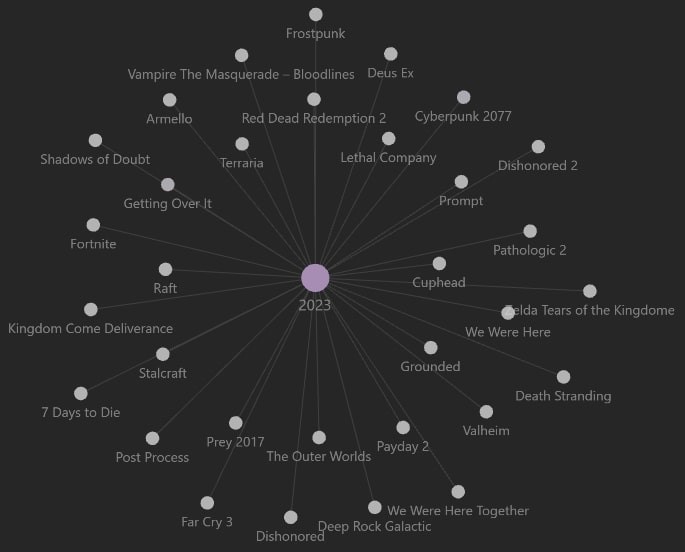
Using markdown links within a Tier List ensures that all items maintain their relationships in Obsidian’s Graph View. This keeps the graph clean and organized while still connecting your notes through the Tier List file.
How to use
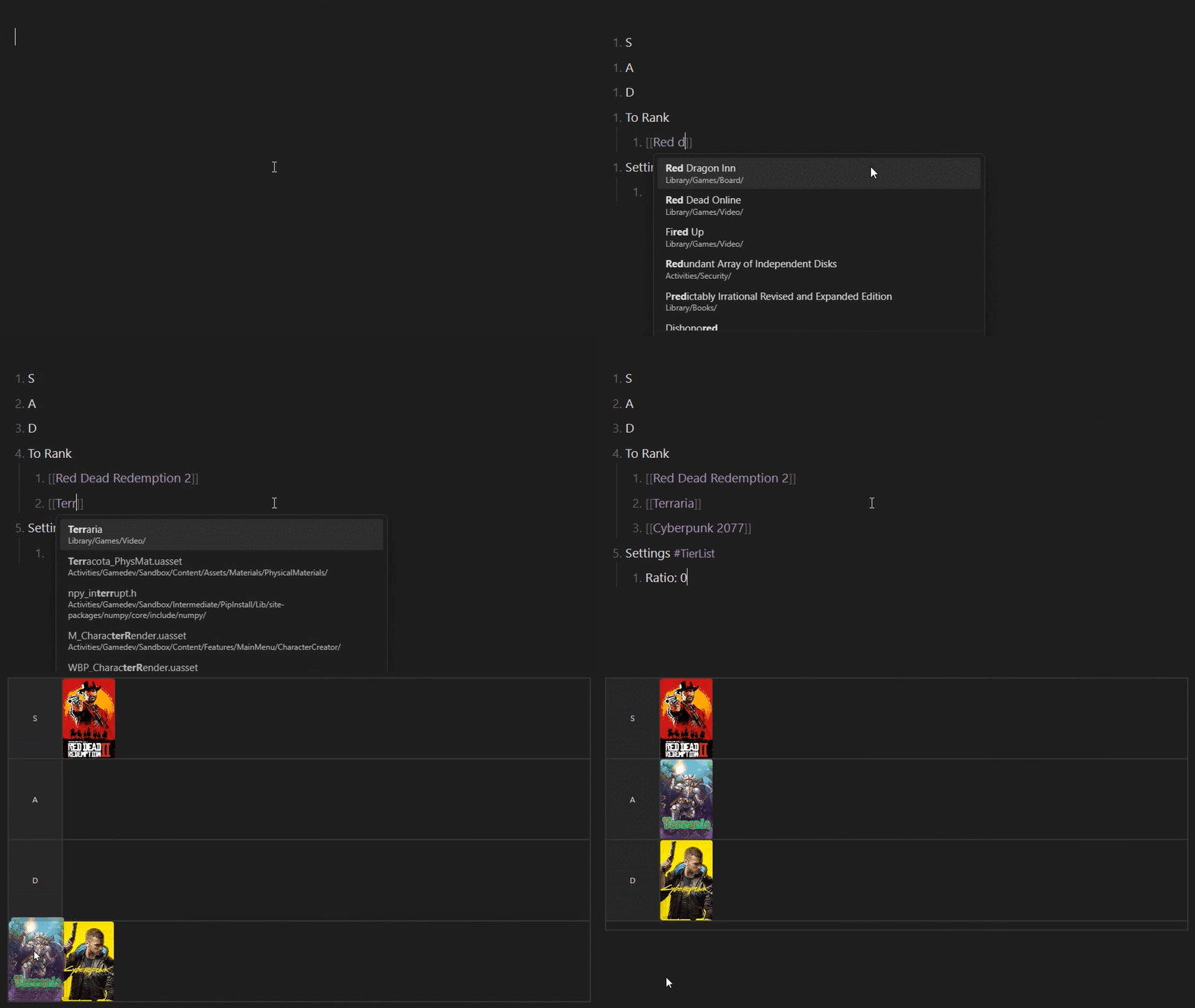
To use the Tier List plugin, you can either insert the #tier-list (can be changed in plugin settings) tag anywhere within an unordered list, which marks the list for tier rendering, or use the command Insert tier list to automatically create a list preformatted for ranking.
Tier List also includes a To Rank section, where items that have not yet been placed in a specific tier will be shown. This section collapses automatically once it becomes empty, keeping the view clean and focused on ranked items.
Interaction
The Tier List plugin supports interaction in both Editing View and Reading View, each offering different workflows.
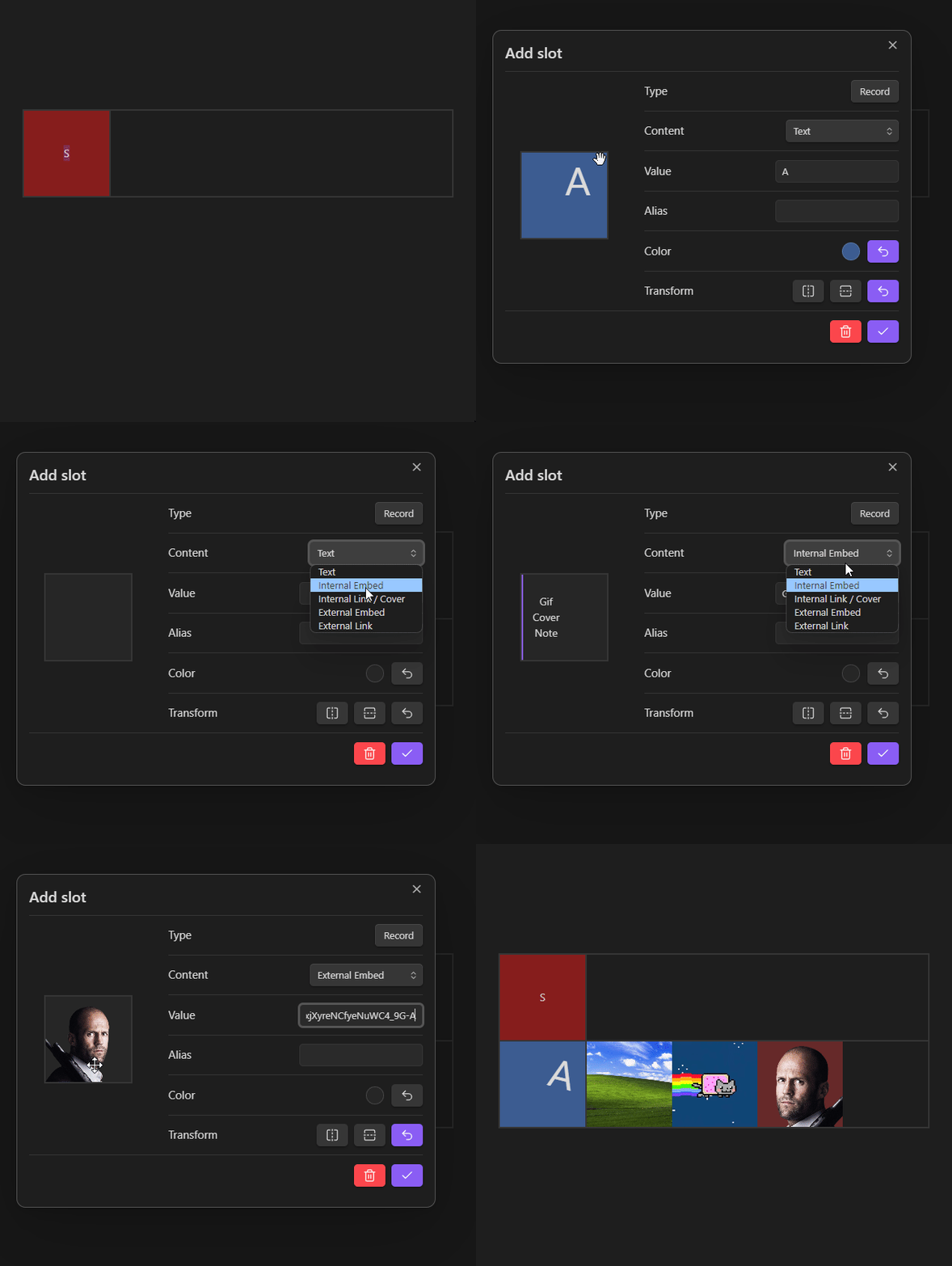
- In Editing View, you can create and modify the list just like a regular markdown list—simply type items, add text fields, embed images, etc. This mode is ideal for quickly writing and organizing content without extra formatting.
- In Reading View, interaction is handled through a right-click menu, where you can choose options and edit details in modal windows. For quick edits, you can also double-click on an item to modify it instantly. You can navigate to a note or a linked file by
Ctrl/⌘ + Clickon the corresponding slot.
If you need fast text input without additional styling, Editing View is the best choice. However, if you want more customization, including colors, transformations, and extra features, Reading View with modal editing provides a better experience.
Settings
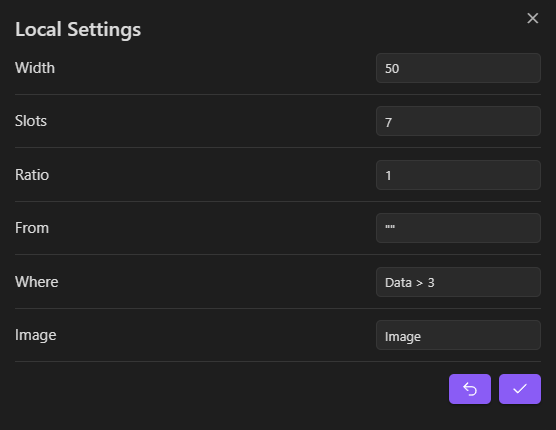
The plugin provides several customization options. You can define default settings for all Tier Lists globally, but you can also override these settings on a per-list basis. To do so, right-click on the tier list in the reading view and select Settings.
Dataview Integration
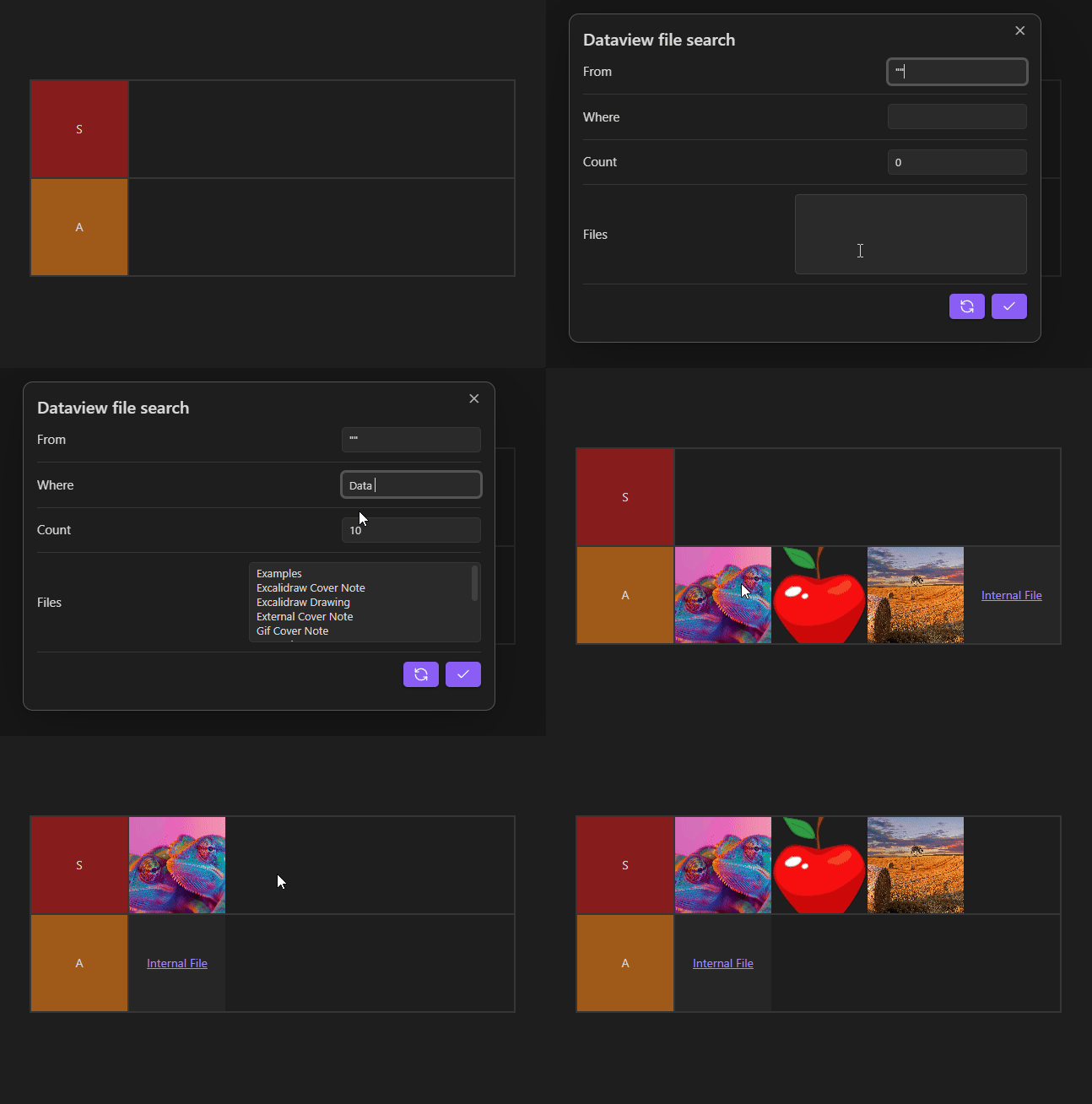
This plugin integrates with Dataview, allowing you to supplement your tier lists with missing notes using Dataview queries.
How It Works
- Right-click in the relevant area to open the context menu and select
Request. - In the modal window, configure the query settings (
From,Where). - The plugin will retrieve matching notes and add missing entries to your tier list.
Settings Persistence
- The last used query is saved in the settings list for future use.
- You can quickly reapply previous queries without manually re-entering them.
- In addition to using the modal window, you can quickly add missing entries by right-clicking in the relevant area and selecting
Add Missingfrom the context menu.
For plugin developers
Search results and similarity scores are powered by semantic analysis of your plugin's README. If your plugin isn't appearing for searches you'd expect, try updating your README to clearly describe your plugin's purpose, features, and use cases.